Author: Jamie Johnson (page 1 of 1)

Insulating Tractors: The Unexpected Benefits of Foam Insulation in Agricultural Machinery

When thinking about foam insulation, most people associate it with residential and commercial buildings. However, foam insulation has found its way into the agricultural sector, particularly in enhancing the efficiency and comfort of tractors and other farm machinery. This blog post explores the role of foam insulation in tractors, its benefits, various applications, and practical tips for farmers looking to optimize their agricultural equipment with this innovative solution.

The Role of Tractors in Modern Agriculture

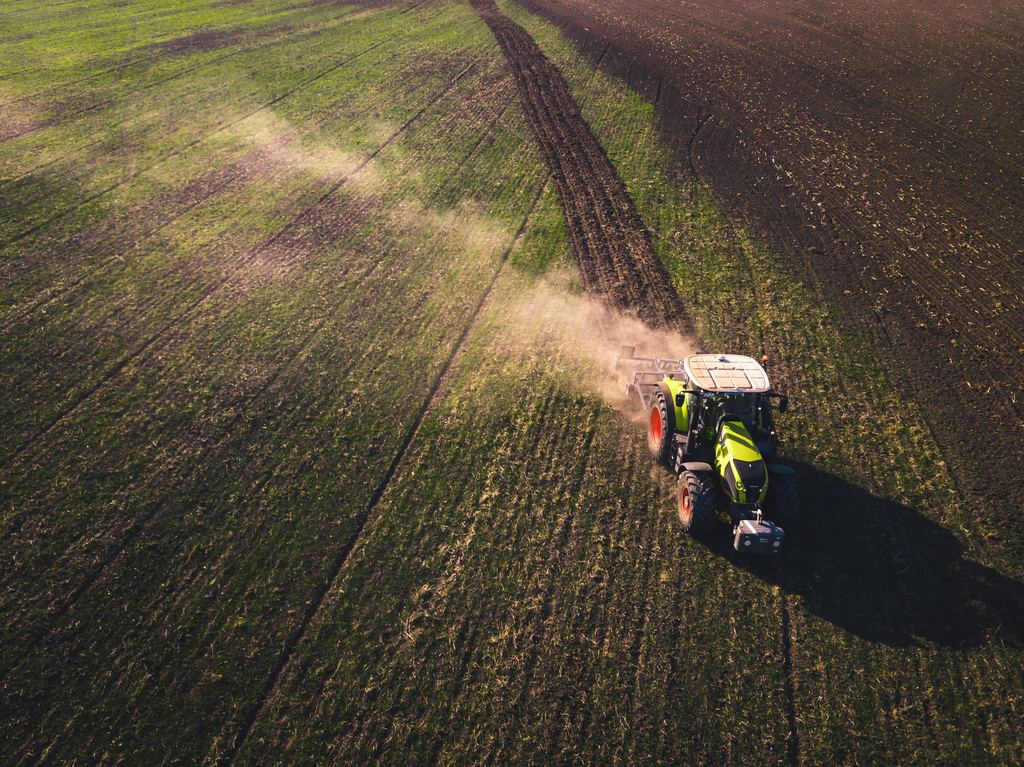
Tractors are the backbone of modern farming operations. They are used for a wide range of tasks, including plowing, planting, cultivating, and harvesting. As essential as they are, the efficiency and comfort of tractors directly impact farm productivity and operator well-being. This is where foam insulation comes into play, offering a host of benefits that improve both the performance and the experience of using these machines.

Understanding Foam Insulation

Foam insulation, known for its superior insulating properties, comes in two primary forms: spray foam insulation and rigid foam board insulation. Both types are versatile and can be adapted for use in various parts of tractors.

Spray Foam Insulation

Spray foam insulation is applied as a liquid that expands into a foam, filling gaps and creating an airtight seal. It is available in two varieties:

  • Open-Cell Spray Foam: Less dense and more flexible, making it effective for soundproofing and thermal insulation in less critical areas.
  • Closed-Cell Spray Foam: Denser and more rigid, offering higher R-value and moisture resistance, ideal for areas exposed to harsher conditions.

Rigid Foam Board Insulation

Rigid foam board insulation consists of pre-formed boards made from materials such as polystyrene, polyisocyanurate, or polyurethane. These boards provide high insulating values and are typically used in larger, flat surfaces where they can be securely fitted.

Benefits of Foam Insulation in Tractors

Foam insulation offers several advantages that enhance the performance and usability of tractors:

Enhanced Thermal Comfort

One of the primary benefits of foam insulation is its ability to regulate temperature. For tractor operators, maintaining a comfortable cabin temperature is crucial, especially during extreme weather conditions.

Example: Insulating the cabin of a tractor with closed-cell spray foam helps keep the interior warm in the winter and cool in the summer, providing a more comfortable working environment for the operator.

Noise Reduction

Tractors can be noisy machines, and prolonged exposure to high noise levels can lead to hearing damage and increased operator fatigue. Foam insulation acts as an effective sound barrier, reducing noise levels inside the cabin.

Example: Applying open-cell spray foam insulation to the interior walls and ceiling of the tractor cabin significantly reduces engine noise and vibration, creating a quieter and more pleasant working environment.

Improved Fuel Efficiency

Maintaining a stable internal temperature means that less energy is required for heating and cooling. This can lead to improved fuel efficiency, as the tractor’s engine and HVAC systems don’t have to work as hard to maintain comfortable conditions.

Example: A tractor with insulated cabin walls and roof consumes less fuel for heating in cold weather, translating to cost savings and increased operational efficiency.

Moisture Control and Corrosion Prevention

Tractors often operate in humid and wet conditions, which can lead to moisture buildup and corrosion. Closed-cell spray foam insulation provides an effective moisture barrier, protecting sensitive components from rust and decay.

Example: Insulating the engine compartment with closed-cell spray foam helps prevent moisture intrusion, reducing the risk of corrosion and extending the lifespan of the tractor.

Applications of Foam Insulation in Tractors

Foam insulation can be applied in various parts of a tractor to enhance its performance and durability:

Cabin Insulation

The tractor cabin is where the operator spends most of their time, making it a prime candidate for insulation. Spray foam insulation can be applied to the walls, ceiling, and floor of the cabin to improve thermal comfort and reduce noise.

Example: Insulating the cabin of a tractor with both open-cell and closed-cell spray foam creates a comfortable and quiet environment, enhancing operator comfort and productivity.

Engine Compartment Insulation

Insulating the engine compartment helps regulate temperatures and protects engine components from moisture and debris. Closed-cell spray foam is particularly effective in this application due to its high R-value and moisture resistance.

Example: Applying closed-cell spray foam insulation to the engine compartment of a tractor helps maintain optimal operating temperatures and prevents moisture-related issues, ensuring reliable performance.

Exhaust and Heat Shielding

Foam insulation can be used to insulate exhaust systems and other high-temperature areas to prevent heat transfer and protect surrounding components.

Example: Insulating the exhaust system with high-temperature resistant foam helps reduce heat transfer to the cabin and other sensitive parts, enhancing overall safety and efficiency.

Practical Tips for Implementing Foam Insulation in Tractors

To maximize the benefits of foam insulation in tractors, it’s important to follow best practices and ensure proper installation:

Choose the Right Type of Foam

Select the appropriate type of foam insulation based on the specific needs of the tractor. Open-cell spray foam is ideal for interior applications and soundproofing, while closed-cell spray foam is better suited for areas requiring high R-values and moisture resistance.

Tip: Consult with a professional insulation contractor or agricultural equipment specialist to determine the best type of foam insulation for your tractor.

Ensure Proper Installation

Proper installation is crucial for maximizing the benefits of foam insulation. Hire experienced and certified installers who understand the intricacies of applying spray foam and installing rigid foam boards in agricultural machinery.

Tip: Request references and check reviews to find reputable insulation contractors with a proven track record of quality work in agricultural settings.

Plan for Ventilation

While foam insulation creates an airtight seal, proper ventilation is still necessary to maintain air quality and prevent overheating. Plan for adequate ventilation systems to ensure a healthy and safe environment for the operator.

Tip: Consider installing additional ventilation fans or HVAC systems to complement the insulation and maintain optimal cabin conditions.

Real-World Examples of Foam Insulation in Tractors

Large-Scale Farm Operation

A large-scale farm in the Midwest retrofitted its fleet of tractors with closed-cell spray foam insulation in the cabins and engine compartments. The transformation resulted in improved operator comfort, reduced noise levels, and enhanced fuel efficiency. The farm reported significant savings on fuel costs and increased productivity due to the improved working conditions.

Specialty Crop Farming

A specialty crop farm in California insulated its high-value crop tractors with both open-cell and closed-cell spray foam. The insulation helped maintain optimal cabin temperatures and reduced noise, allowing operators to work longer hours comfortably. Additionally, the moisture barrier provided by the closed-cell foam protected the sensitive engine components from humidity and corrosive agricultural chemicals.

Conclusion

Foam insulation is a transformative tool for enhancing the performance, comfort, and durability of tractors. By providing superior thermal regulation, noise reduction, and moisture control, foam insulation significantly improves the usability and longevity of agricultural machinery. Whether used in the cabin, engine compartment, or exhaust system, foam insulation offers long-lasting benefits that enhance the overall efficiency and productivity of farming operations. As the demand for more efficient and comfortable agricultural equipment continues to grow, foam insulation will play a crucial role in shaping the future of farming technology.

Concrete Innovations: Revolutionizing Modern Farming

The agricultural sector is the backbone of human civilization, providing the essential resources needed to sustain life. As the demands on farming increase with a growing global population, innovative solutions are required to enhance productivity, efficiency, and sustainability. Concrete, a material traditionally associated with urban construction, is playing an increasingly significant role in modern farming. This blog post explores the various ways concrete is revolutionizing farming practices, its benefits, and real-world applications that demonstrate its transformative impact.

The Versatility and Benefits of Concrete in Farming

Concrete’s inherent properties make it an ideal material for a variety of farming applications. Its durability, low maintenance, and versatility provide numerous benefits to agricultural operations.

Durability and Longevity

Farming environments are often harsh, with structures exposed to the elements, heavy machinery, and livestock. Concrete’s exceptional durability ensures that agricultural buildings and infrastructure can withstand these conditions over long periods without significant degradation. This longevity reduces the need for frequent repairs and replacements, leading to cost savings and increased operational efficiency.

Low Maintenance

Concrete structures require minimal maintenance compared to other materials. They are resistant to rot, rust, and pests, which are common issues in wooden and metal constructions. This low-maintenance nature allows farmers to focus more on their core activities rather than spending time and resources on upkeep.

Versatility

Concrete can be molded into various shapes and sizes, making it suitable for a wide range of farming applications. From building foundations and storage facilities to livestock shelters and irrigation systems, concrete’s versatility supports diverse agricultural needs.

Hygienic and Safe

Concrete surfaces are easy to clean and sanitize, which is crucial for maintaining hygiene in farming operations. This is particularly important in dairy and poultry farming, where cleanliness is essential for preventing disease and ensuring the health of animals. Additionally, concrete’s non-porous nature helps in preventing the buildup of bacteria and other pathogens.

Innovative Applications of Concrete in Modern Farming

Concrete’s adaptability and strength make it an invaluable resource in various aspects of modern farming. Here are some innovative applications that highlight its transformative impact.

Farm Buildings and Infrastructure

Concrete is extensively used in constructing farm buildings and infrastructure. Its strength and durability make it ideal for foundations, walls, and floors in barns, storage facilities, and processing plants. Concrete buildings provide stable environments that protect equipment, produce, and livestock from the elements.

Example: A modern dairy farm uses concrete floors in its milking parlor to ensure easy cleaning and sanitation. The concrete structure withstands the constant foot traffic and weight of the animals, maintaining a safe and hygienic environment.

Silos and Storage Facilities

Concrete silos and storage facilities offer robust solutions for storing grain, feed, and other agricultural products. Their strength ensures that they can handle the weight and pressure of large quantities of stored materials. Additionally, concrete’s resistance to pests and weathering helps in preserving the quality of the stored products.

Example: A grain farm installs concrete silos to store harvested grain. The silos’ durability and airtight design prevent spoilage and pest infestation, ensuring that the grain remains in optimal condition until it is sold or used.

Livestock Shelters

Concrete is an excellent material for constructing livestock shelters, providing a safe and comfortable environment for animals. Concrete floors and walls are easy to clean, reducing the risk of disease. Moreover, concrete shelters can be designed to offer insulation, keeping animals warm in winter and cool in summer.

Example: A cattle farm builds concrete shelters with insulated walls to protect the herd from extreme temperatures. The concrete floors are equipped with drainage systems to facilitate cleaning, promoting a healthy living environment for the animals.

Irrigation Systems

Concrete is used in building durable and efficient irrigation systems, including channels, troughs, and tanks. These structures are essential for managing water resources effectively, especially in areas prone to drought.

Example: A vegetable farm constructs concrete irrigation channels to ensure a reliable water supply to its crops. The concrete channels minimize water loss through seepage and evaporation, improving water use efficiency and crop yields.

Pathways and Driveways

Concrete pathways and driveways provide durable and stable surfaces for vehicles and foot traffic on farms. They are resistant to weathering and heavy loads, making them ideal for use in high-traffic areas.

Example: A large fruit orchard installs concrete driveways to facilitate the movement of harvesting equipment and trucks. The concrete surfaces remain intact despite the heavy use and varying weather conditions, enhancing operational efficiency.

Sustainable Farming with Concrete

Sustainability is a critical consideration in modern farming, and concrete contributes to this goal in several ways.

Use of Recycled Materials

The production of concrete can incorporate recycled materials, such as fly ash, slag, and recycled aggregates, reducing the environmental impact. Using these materials in farm construction helps in conserving natural resources and minimizing waste.

Example: A sustainable farm builds a new storage facility using concrete made with recycled aggregates. This approach reduces the farm’s carbon footprint and supports its commitment to environmental stewardship.

Energy Efficiency

Concrete’s thermal mass properties help regulate indoor temperatures, reducing the need for artificial heating and cooling. This energy efficiency is beneficial in farm buildings where maintaining a stable temperature is crucial for both equipment and livestock.

Example: A greenhouse built with concrete walls benefits from the material’s thermal mass, which helps maintain consistent indoor temperatures. This reduces the energy required for heating and cooling, lowering operational costs and environmental impact.

Real-World Success Stories

Several farms have successfully integrated concrete into their operations, showcasing its benefits and versatility.

Green Valley Dairy Farm

Green Valley Dairy Farm, located in Wisconsin, underwent a significant upgrade with the use of concrete. The farm installed concrete floors in its milking parlor and feeding areas, enhancing hygiene and ease of maintenance. Concrete silos were also built to store feed, ensuring its quality and reducing waste. These improvements led to increased efficiency and better health outcomes for the herd.

Sunflower Organic Farm

Sunflower Organic Farm in California focused on sustainability by using eco-friendly concrete for its new storage facilities and irrigation systems. The farm incorporated recycled materials into the concrete mix, aligning with its commitment to environmental sustainability. The durable concrete structures have significantly improved the farm’s water management and storage capabilities, supporting its organic farming practices.

Conclusion

Concrete is playing a transformative role in modern farming, offering durability, versatility, and sustainability. Its applications range from robust farm buildings and storage facilities to efficient irrigation systems and livestock shelters. By integrating concrete into their operations, farmers can enhance productivity, reduce maintenance costs, and promote sustainable practices. As the agricultural sector continues to evolve, concrete will remain a vital material in building resilient and efficient farming infrastructure.

Seeds of Sustainability: Nurturing Iowa Farming with Optimal Maintenance

Clean Slate: Power Washing for Pristine Farmlands and Equipment

The cornerstone of successful Iowa farming is maintaining a clean and well-organized environment, ensuring both the land and farming equipment are in optimal condition. Implementing regular power washing not only contributes to operational efficiency but also plays a vital role in preventing disease among crops and extending the lifespan of farming apparatus.

Strong Foundations: The Intrinsic Role of Concrete Repair Builders in Farming Operations

Concrete structures, prevalent across farming operations, require meticulous attention and maintenance to safeguard the durability and functionality of farm buildings and infrastructure. Engaging a proficient concrete repair builder ensures that the vital structures, from silos to storage units, remain robust and capable of withstanding the test of time and elements.

Sealing Prosperity: Foam Sealant for Enhanced Farming Efficiency and Sustainability

In the pursuit of innovative and sustainable farming practices, leveraging technology and modern solutions is imperative. Implementing foam sealant not only bolsters the insulation and protection of farm structures but also contributes to energy conservation, creating an eco-friendly and economically viable farming environment.

Harvesting Future: Merging Tradition with Modernity in Iowa Farming

The evolution of Iowa farming is a testament to the seamless integration of traditional practices with modern technologies and methodologies. From maintaining the physical aesthetics and functionality of the farmlands and structures with power washing and concrete repairs, to adopting sustainable practices with foam sealants, each step sown with innovation harvests a future of sustainable and prosperous farming.

©2023 Seeds of Sustainability. All Rights Reserved.

Tilling the Fields of Iowa: Tractors as the Backbone of Agricultural Excellence

Nestled in the heartland of America, Iowa is renowned for its fertile soil, expansive fields, and thriving agricultural industry. At the heart of this success story lies the indomitable spirit of farmers and the essential role played by tractors. In this blog post, we explore how tractors serve as the backbone of agricultural excellence in Iowa, driving productivity, efficiency, and sustainability in farming operations.

1. The Power of Efficiency:

Tractors have revolutionized farming practices, enabling farmers to accomplish tasks with unparalleled efficiency. We delve into how tractors have replaced traditional manual labor, empowering farmers to till the soil, sow seeds, apply fertilizers, and harvest crops at a faster pace. We discuss the various sizes and types of tractors used in Iowa’s diverse agricultural landscape, from compact utility tractors for smaller operations to large-scale row-crop tractors for expansive fields.

2. Precision Agriculture:

Tractors have been instrumental in the adoption of precision agriculture techniques in Iowa. We explore how GPS technology and advanced guidance systems have revolutionized farming practices, allowing farmers to precisely navigate fields, apply inputs, and monitor crop growth. We highlight how tractors equipped with automated steering and variable rate application capabilities optimize resource utilization, reduce waste, and enhance overall crop yields.

3. Versatility and Adaptability:

Tractors in Iowa exemplify versatility, adapting to the diverse needs of different farming operations. We discuss how tractors are equipped with a wide array of attachments and implements, such as plows, seeders, sprayers, and harvesters. These versatile machines enable farmers to perform a range of tasks throughout the farming cycle, from preparing the soil to planting, maintaining, and harvesting crops. We showcase how tractors seamlessly transition between various operations, maximizing productivity and reducing the need for multiple machines.

4. Sustainable Farming Practices:

Tractors are crucial in implementing sustainable farming practices in Iowa. We delve into the importance of conservation tillage, cover cropping, and nutrient management, highlighting how tractors facilitate the adoption of these practices. We discuss how tractors equipped with advanced technology help farmers monitor soil health, reduce soil erosion, and minimize environmental impact. Through precision application of fertilizers and pesticides, tractors contribute to efficient resource management and the promotion of sustainable agricultural practices.

5. Enhancing Farm Safety:

Tractors play a pivotal role in promoting farm safety in Iowa. We address the significance of tractor safety features such as roll-over protection structures (ROPS) and seat belts, emphasizing their role in preventing accidents and protecting farmers. We also highlight the importance of proper training, maintenance, and adherence to safety protocols when operating tractors. By prioritizing safety, farmers in Iowa ensure the well-being of their workforce and minimize potential hazards.

6. Supporting Rural Communities:

Tractors serve as more than just agricultural machines; they are essential for supporting rural communities in Iowa. We explore how the agricultural industry drives economic growth, job creation, and community development in rural areas. We discuss the interconnectedness between farmers, equipment dealerships, suppliers, and local businesses, showcasing the pivotal role tractors play in sustaining the fabric of rural communities.

7. Advancements in Technology:

As technology continues to advance, tractors in Iowa keep pace with innovative features and functionalities. We highlight the integration of telematics, remote monitoring systems, and data analytics, enabling farmers to make data-driven decisions and optimize their operations. We discuss how tractors have embraced connectivity, allowing farmers to remotely control and monitor machine performance, track fuel consumption, and diagnose maintenance needs.

8. The Future of Farming:

As we look to the future, tractors remain at the forefront of innovation and progress in Iowa’s agricultural industry. We explore emerging technologies, such as autonomous tractors and robotics, and their potential to revolutionize farming practices. We discuss how these advancements will further enhance efficiency, reduce labor-intensive tasks, and pave the way for sustainable and productive agriculture.

Conclusion:

Tractors are the backbone of agricultural excellence in Iowa, powering the state’s farming operations with efficiency, versatility, and sustainability. From tilling the fields and planting seeds to precision application of inputs and harvesting crops, tractors enable farmers to navigate the challenges of modern agriculture with confidence. As Iowa continues to be a leader in agricultural innovation, tractors will remain the driving force behind the state’s ongoing success story.

The Driving Force: Unveiling the Power and Versatility of Tractors

Tractors have long been the driving force behind agriculture and various industries around the world. From tilling fields and hauling heavy loads to powering construction projects and maintaining landscapes, tractors play a vital role in countless applications. In this blog post, we explore the power, versatility, and enduring significance of tractors in shaping modern society.

1. A Brief History of Tractors:

We take a journey through time to uncover the evolution of tractors, from their humble beginnings as steam-powered machines to the sophisticated and technologically advanced models of today. We delve into the significant milestones and innovations that have revolutionized the tractor industry, making these machines indispensable in various sectors.

2. Agricultural Applications:

Tractors are synonymous with agriculture, and we delve into their pivotal role in this sector. We explore how tractors have transformed farming practices, enabling farmers to efficiently prepare soil, plant crops, apply fertilizers, and harvest yields. We discuss the diverse range of implements and attachments that can be used with tractors, such as plows, seeders, sprayers, and harvesters, enhancing productivity and optimizing agricultural operations.

3. Construction and Heavy-Duty Work:

Tractors are not limited to agricultural settings; they excel in construction and heavy-duty work as well. We examine how tractors are used in construction projects, from grading and excavation to material handling and site preparation. We highlight their versatility in pulling and pushing heavy loads, their ability to operate in challenging terrains, and their role in enhancing efficiency and productivity on construction sites.

4. Landscaping and Maintenance:

Tractors are invaluable in maintaining landscapes, parks, and recreational areas. We discuss how tractors equipped with mowers, aerators, and tillers simplify and expedite tasks such as grass cutting, soil cultivation, and land leveling. We explore their use in maintaining golf courses, parks, and green spaces, showcasing their ability to create and maintain visually appealing environments.

5. Versatility in Specialized Industries:

Tractors find application in various specialized industries, showcasing their versatility. We delve into their usage in forestry, where they are employed for tasks such as logging, hauling timber, and land clearing. We explore their role in the mining sector, where they handle heavy loads and transport materials efficiently. We also touch upon their usage in industries like transportation, airport operations, and maintenance of large estates or campuses.

6. Modern Technology and Advancements:

Tractors have embraced modern technology, paving the way for increased efficiency, precision, and environmental sustainability. We discuss the integration of GPS and automated systems in tractors, enabling precise navigation, accurate seeding, and optimized fuel consumption. We explore advancements in engine technology, emissions control, and telematics, showcasing the industry’s commitment to sustainability and reducing environmental impact.

7. Maintenance and Safety Considerations:

To ensure optimal performance and longevity, tractors require regular maintenance and proper safety measures. We provide essential maintenance tips, including routine inspections, lubrication, and addressing common issues. We also emphasize the importance of operator training, safe operation practices, and compliance with industry standards to prevent accidents and promote a safe working environment.

8. The Future of Tractors:

As technology continues to advance, the future of tractors holds exciting possibilities. We discuss emerging trends such as electric and autonomous tractors, precision farming innovations, and connectivity through the Internet of Things (IoT). We explore how these advancements will revolutionize tractor capabilities, increase productivity, and further reduce the environmental footprint of agricultural and industrial operations.

Conclusion:

Tractors are more than machines; they are the driving force behind agricultural productivity, construction efficiency, and landscape maintenance. Their versatility and power make them indispensable in various industries, facilitating the growth and development of modern society. As technology continues to advance, tractors will continue to evolve, adapting to the changing needs of industries while embracing sustainability and efficiency.

Join us as we unveil the power and versatility of tractors, celebrating their role in shaping our world. From the farm fields to construction sites and beyond, tractors remain at the forefront of progress, providing the muscle and efficiency needed to propel us forward.

Sowing Success: The Secrets Behind Iowa’s Prosperous Farming Community

Nestled in the heartland of America, Iowa is known for its expansive fields, bountiful harvests, and thriving farming community. With its fertile soil and favorable climate, the state has become a hub of agricultural excellence. In this blog post, we uncover the secrets behind Iowa’s prosperous farming community, exploring the key factors that contribute to its success and the enduring spirit that drives its farmers.

1. The Land of Abundance:

Iowa’s success as an agricultural powerhouse begins with its abundant land. We’ll explore the unique characteristics of Iowa’s soil, known for its high fertility and ability to support a wide range of crops. From the rich black soils of the prairies to the deep loamy soils of the river valleys, Iowa offers the ideal environment for cultivating crops and reaping plentiful harvests.

2. Tradition and Heritage:

Iowa’s farming success is deeply rooted in its tradition and heritage. We’ll delve into the agricultural history of the state, tracing the pioneering spirit of early settlers who tamed the land and established sustainable farming practices. We’ll highlight the values of hard work, resilience, and community that have been passed down through generations, shaping the farming culture and fostering a strong sense of pride among Iowa farmers.

3. Diversified Agriculture:

One of Iowa’s secrets to success lies in its diversified agriculture. We’ll explore the wide range of crops grown in the state, from corn and soybeans to oats, wheat, and vegetables. We’ll highlight how Iowa’s farmers have embraced crop rotation and innovative farming techniques to maintain soil health, prevent disease, and maximize yields. This diversification has contributed to Iowa’s stability in the face of changing market demands.

4. Cutting-Edge Technology:

Iowa’s farming community stays ahead of the curve through the adoption of cutting-edge technology. We’ll delve into the role of precision agriculture, data analytics, and advanced machinery in optimizing farming practices. From GPS-guided equipment to aerial imagery and soil sensors, Iowa farmers harness technology to enhance efficiency, conserve resources, and make data-driven decisions.

5. Sustainable Farming Practices:

Sustainability is a cornerstone of Iowa’s farming success. We’ll explore the various sustainable practices adopted by farmers, such as conservation tillage, cover cropping, and integrated pest management. We’ll discuss the importance of soil conservation, water management, and biodiversity in preserving Iowa’s natural resources for future generations. By prioritizing sustainability, Iowa’s farmers not only protect the environment but also ensure the long-term viability of their operations.

6. Strong Agricultural Support System:

Iowa’s prosperous farming community is supported by a robust network of agricultural organizations, research institutions, and cooperative extension services. We’ll highlight the role of entities such as Iowa State University Extension and Outreach, Farm Bureau, and commodity associations in providing farmers with valuable resources, education, and advocacy. The collective strength of these organizations fosters knowledge sharing, innovation, and collaboration within the farming community.

7. Resilience in the Face of Challenges:

Despite the many successes, Iowa’s farming community faces challenges, including volatile commodity markets, extreme weather events, and evolving regulatory landscapes. We’ll discuss how Iowa’s farmers demonstrate resilience, adaptability, and forward-thinking approaches to overcome these obstacles. By embracing innovation, diversification, and risk management strategies, Iowa’s farmers navigate the uncertainties of the agricultural industry with determination and perseverance.

8. A Thriving Rural Community:

The success of Iowa’s farming community extends beyond the fields. We’ll shed light on the vital role farmers play in supporting the rural economy, creating jobs, and fostering community development. We’ll explore the importance of local farmers’ markets, agritourism, and farm-to-table initiatives in connecting farmers with consumers and strengthening the bond between rural and urban communities. We try to always encourage using local contractors for work to help support the community – from pest control, to concrete contractors all the way to roofing care.

Conclusion:

Iowa’s prosperous farming community is built on a strong foundation of fertile land, tradition, innovation, sustainability, and resilience. From generation to generation, Iowa’s farmers have cultivated the land, embraced cutting-edge technology, and nurtured a thriving agricultural sector. The secrets behind Iowa’s success lie in the unwavering dedication, hard work, and passion of its farmers.

As we celebrate Iowa’s rich farming heritage, let us recognize the invaluable contributions of Iowa’s farmers in feeding the nation and beyond. Their commitment to excellence, stewardship of the land, and unwavering spirit ensure that Iowa’s agricultural legacy will endure for generations to come.

Join us as we delve into the fascinating world of Iowa’s prosperous farming community. Together, let’s celebrate the sowing of success and the bountiful harvests that fuel Iowa’s agricultural greatness.